

Southeast termite activity trends follow the weather: eastern subterranean termites swarm on warm days after rain, mostly from March through May, Formosan termites swarm on early summer evenings in coastal areas, and worker termites keep feeding underground in every month of the year. For homeowners in Georgia, Tennessee, Alabama, Kentucky, North Carolina and South Carolina, that makes termite protection a year-round job rather than a spring chore.
The Southeast sits in the highest-risk zone of the Termite Infestation Probability map used in U.S. building codes. Nationally, termites cause more than $5 billion in property damage each year, according to the National Pest Management Association, and homeowners insurance does not typically cover it. Knowing what drives local activity, and what the early warning signs look like, helps you act before hidden damage becomes an expensive repair.
What Is Driving Southeast Termite Activity Trends?
Three factors drive termite activity across the Southeast: a long warm season, steady moisture and ongoing development. Eastern subterranean termites are the main concern in most of the region. They live in the soil, need moisture to survive and travel through protected mud tubes to reach wood in a structure. Because they work behind walls, under floors and inside crawl spaces, a colony can be active long before damage is obvious.
Warm soil and mild winters
Warm soil keeps termites moving and feeding. A mild winter lets colonies stay active longer than many homeowners expect, and an early warm spell can bring swarms forward by weeks. Activity tends to start earlier in South Georgia and the South Carolina Lowcountry and later in Kentucky and the higher elevations of East Tennessee.
Rain, humidity and moisture near the foundation
Rain raises moisture around foundations and makes damp areas more attractive. A dry spell does not remove the threat, either. Termites follow moisture sources near a home, including leaking plumbing, condensation, poor drainage and damp crawl space materials.
New construction and landscaping changes
Construction disturbs soil and changes drainage patterns. Landscaping, mulch beds, stacked firewood, wooden edging and old tree stumps can create convenient conditions next to a foundation. None of these factors means a home has termites, but together they explain why activity can vary so much from one neighborhood to the next.
Our licensed inspectors will perform a comprehensive visual evaluation of the property to check for evidence of current or previous termite activity or damage and provide you with a certified termite letter. Whether you’re buying in Buckhead, Decatur, Marietta, Covington, Loganville & Monroe or anywhere in the greater Atlanta region, you can trust Lookout to deliver prompt, accurate, and honest reporting.
Southeast Termite Season at a Glance
Termite season in the Southeast is not a single window. Swarms are the visible peak, while feeding continues all year.
| Activity | Typical timing | What you may notice |
|---|---|---|
| Eastern subterranean termite swarms | Late winter to late spring, peaking March to May | Winged termites near windows, doors and lights during the day, often after a warm rain |
| Formosan termite swarms | Mid-May to July, mainly in coastal South Carolina | Large evening swarms around porch lights and streetlights |
| Worker termite feeding | Year-round; slower in the coldest weeks, heavier in warm, wet months | Mud tubes, hollow-sounding wood, damage in crawl spaces and wall voids |
| Fall and winter activity | Continues in damp crawl spaces and heated structures | A swarm inside a heated home in winter usually means a colony in the structure |
Swarm Season Gets Attention, but Termites Stay Active
Swarms are the most visible sign of seasonal activity. Winged reproductive termites leave a mature colony to mate and start new ones when temperature and moisture line up. University of Georgia entomologists note that several days of above-average temperatures followed by a light rain often trigger a swarm, and a swarm can be over within minutes. A colony may swarm more than once in a season, and the first flight is usually the largest.
Formosan termites follow a different schedule. Clemson University reports they are established in coastal South Carolina, from Charleston south to Beaufort, and swarm from mid-May to July, usually in the evening and around lights. Their colonies can reach a million or more termites, compared with roughly 100,000 workers in a typical native colony.
Finding a swarm indoors can indicate a colony is established in or near the structure. A swarm outside still means termites are active nearby. Either way, termites do not disappear once swarm season passes. Worker termites keep feeding in protected areas such as crawl spaces, wall voids, garages and along foundations.
Termites vs. Flying Ants: How to Tell the Difference
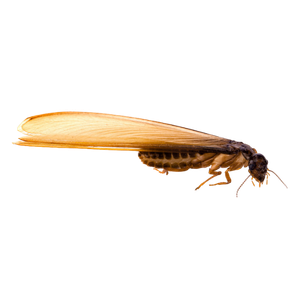
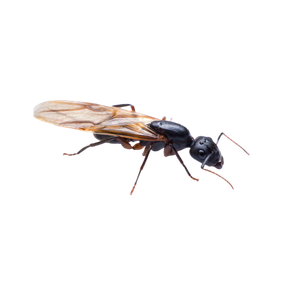
Swarming termites are easy to confuse with flying ants. Here is how to tell termites from flying ants at a glance.
| Feature | Termite swarmer | Flying ant |
|---|---|---|
| Antennae | Straight | Bent or elbowed |
| Waist | Broad, no pinch | Narrow, pinched |
| Wings | Two pairs of equal length | Front wings longer than back wings |
| After landing | Wings break off easily; piles of wings near windows and doors | Wings shed less often |
If you are unsure what you found, save a sample in a sealed bag or take a clear photo for a professional inspection.


Are Termites Active in Winter in the Southeast?
Yes. Subterranean termites slow down in cold weather, but they do not die off. They move deeper into the soil and keep feeding, and in heated homes or damp crawl spaces they can stay active through the winter. Summer heat, fall rain and winter moisture all support activity in different ways.
Where Southeast Homes Are Most Vulnerable
Termites need a path from the soil to a food source. These are the weak points technicians check most often in Southeast homes:
- Crawl spaces: crawl spaces are especially vulnerable when moisture, exposed wood and limited airflow come together
- Slab foundations: small cracks, utility openings, expansion joints and siding or trim too close to soil can all provide access
- Drainage problems: downspouts that empty next to the foundation, clogged gutters, leaking spigots and poor grading keep soil damp
- Indoor moisture: slow plumbing leaks, wet insulation and high crawl space humidity create conditions termites favor
- Wood-to-soil contact: porch posts, lattice, steps, fences, stored lumber and firewood can give termites an easy bridge to the house
Does Mulch Attract Termites?
Mulch does not draw termites from a distance, but it holds moisture against the foundation and can hide mud tubes. Heavy mulch piled against siding is the real problem. Leave a mulch-free strip next to the foundation and keep mulch well below the siding line.
[Figure 4: Where Southeast homes are most vulnerable]
Signs That Call for a Termite Inspection
Termite damage often looks subtle at first. Watch for:
- Mud tubes on foundation walls, piers, plumbing penetrations or crawl space framing
- Discarded wings near windows, doors or light fixtures
- Winged insects swarming indoors
- Wood that sounds hollow when tapped, looks blistered or feels soft beneath paint
- Floors that become uneven, doors that suddenly stick, or unexplained changes in baseboards or trim
- Live termites in damaged wood
Some of these issues have other causes, so they are not proof of termites. They are good reasons to have the home checked. Do not knock down a mud tube and assume the problem is over. The colony may still be active elsewhere, and removing evidence makes a thorough evaluation harder.

What Happens During a Professional Inspection
A trained technician looks beyond the obvious. They evaluate accessible areas inside and out, check the crawl space or slab edges, identify moisture and construction concerns, look for conditions conducive to termites and recommend the right next step based on what is actually happening at your property.
Prevention That Makes a Meaningful Difference
No homeowner can remove every termite risk, but practical maintenance reduces the conditions that support activity:
- Keep gutters clear and route downspout water away from the foundation
- Repair plumbing leaks promptly and correct standing water
- Keep clearance between soil or mulch and exterior siding
- Store firewood, lumber and wood debris away from the house
- Check decks, porches and exterior trim for rot or direct soil contact
- Address excess crawl space moisture instead of treating it as normal
These steps are valuable, but they are not a substitute for professional termite protection. Termites can enter through small, hidden routes that a homeowner cannot reasonably monitor. Scheduled inspections and a prevention plan cover what maintenance cannot.
Why Ongoing Termite Protection Fits the Southeast
The right termite plan depends on the home, its construction, local termite pressure, moisture conditions and any history of activity. A newer home can still need protection, and an older home may need closer monitoring because repairs, additions, landscaping changes or shifting drainage can alter risk over time.
A renewable termite warranty keeps annual inspections on the calendar and continues coverage, instead of leaving protection to memory or waiting for visible damage. If termites are found, treatment should be tailored to the structure and the extent of activity, with the goal of protecting the home from ongoing termite pressure, not only what can be seen today.
Frequently Asked Questions
Swarm season for eastern subterranean termites runs from late winter to late spring and peaks from March to May. Formosan termites swarm from mid-May to July in coastal South Carolina. Worker termites feed year-round.
Swarming is most visible in March, April and May. Feeding damage is heaviest during the warm, wet months, but it continues through fall and winter.
Sudden sightings usually mean a nearby colony is swarming after a stretch of warm weather and rain. If the termites are inside, the colony may be in or under the home.
Often, yes. Several warm days followed by a light rain is a common swarm trigger for subterranean termites in the Southeast.
At least once a year in the Southeast, and sooner if you notice swarmers, wings, mud tubes or moisture problems.
It means termites are active close by. It does not confirm your home is infested, but it is a good time to schedule an inspection.
Get a Clear Answer Before Damage Shows
Lookout Pest Control has protected homes across Georgia, Tennessee, Alabama, Kentucky, North Carolina and South Carolina since 1983. Our local teams help homeowners evaluate termite concerns, build a prevention plan and stay ahead of problems with service designed for Southeast homes and Southeast termite activity trends.
If you have noticed wings, mud tubes, moisture issues or suspicious wood damage, schedule a free inspection sooner rather than later. A timely termite inspection replaces uncertainty with a clear answer and a practical next step to protect your home.