

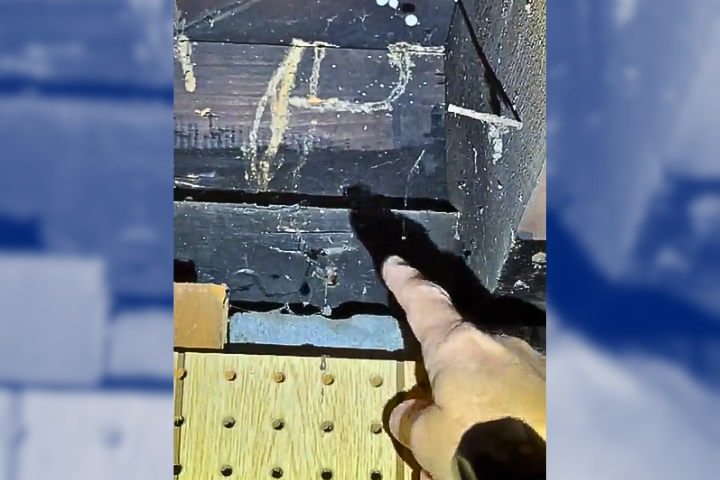
Each year, termites cause billions of dollars in property damage across the United States, and homes in the Southeast face some of the highest risk. Warm temperatures, moisture, and long termite seasons make states like Georgia, Tennessee, Alabama, Kentucky, North Carolina, and South Carolina especially vulnerable. That is exactly why termite inspection matters.
In this guide, we’ll walk through what a termite inspection consists of, what inspectors look for, how to prepare, how long it usually takes, whether it is really necessary, and what happens if termites are found. If you want peace of mind now, you can schedule a free termite inspection with Lookout anywhere across the Southeast.
What Is a Termite Inspection?
A termite inspection is a thorough, licensed visual examination of a home’s interior and exterior for signs of active termite activity, past damage, and conditions that could invite future infestations. Most inspections take anywhere from 30 minutes to 2 hours, depending on the size and accessibility of the property, and they typically end with a written report of the findings.
Termites are small, wood-destroying insects that feed on cellulose and live in large colonies. In the Southeast, the most destructive species are Eastern subterranean termites and Formosan subterranean termites.
A termite inspection is somewhat different from a general home inspection. A home inspector may notice visible damage, but a termite inspector is trained to identify wood-destroying organisms, recognize early warning signs, and, when needed, issue the proper documentation for the property. A home termite inspection can cover the full structure, from roofline to foundation, including crawl spaces, attics, garages, and even nearby outbuildings.
What Does a Termite Inspection Consist Of? Step-by-Step Guide
A professional termite inspection consists of a systematic check of every part of your home where termites can enter, feed, or hide, from the foundation and crawl space up to the attic and roofline. In many cases, it also includes a termite and moisture inspection to identify the damp, hidden conditions that make termite activity more likely.
- Exterior walk-around
The inspection usually starts outside. Your inspector looks closely at siding seams, eaves, soil lines, and foundation walls for mud tubes, blistered paint, soft spots, and other early warning signs of termites. - Foundation check
Next comes a closer look at the foundation. Cracks, expansion joints, foam-board insulation, and plumbing entry points are all common places where subterranean termites can enter unnoticed. - Interior inspection
Inside the home, the inspector checks baseboards, window sills, door casings, trim, and other exposed wood. These areas may be tapped or examined for hollow spots, pinholes, or subtle signs of termites or internal damage. - Attic and crawl space inspection
In Southeastern homes, attics and crawl spaces are two of the most important areas to inspect. These dark, humid spaces can hide mud tubes, damaged wood, galleries, and moisture issues that are easy to miss in everyday life. - Moisture detection
Because termites are drawn to damp conditions, moisture readings are a key part of the process. Using a moisture meter, an inspector can detect hidden damp spots behind walls, under floors, or near plumbing where termites are more likely to thrive. - Wood probing
If wood looks suspicious, the inspector may probe it with a blunt tool or screwdriver. Wood that gives too easily may be hiding termite tunnels beneath a surface that still looks intact. - Yard and perimeter inspection
The inspection does not stop at the house itself. Firewood piles, landscape timbers, tree stumps, mulch beds, fences, and other wood-to-ground contact points near the home are also checked because they can act as easy access points for termites. - Documentation and report
Once the inspection is complete, the findings are documented in a clear report. This may include photos, risk areas, evidence of current or past activity, and treatment recommendations if protection or termite control services are needed.
If the inspector suspects activity in an area that is not immediately accessible, such as behind a wall, they may document the concern and take additional steps. That could include small inspection holes, a follow-up visit, or more specialized equipment to confirm what is happening out of sight.
What Does a Termite Inspector Look For?
Termite inspectors look for six key signs of a termite infestation, plus the environmental conditions that make a home termite-vulnerable in the first place. The goal is not just to spot active termites, but to catch the damage and warning signs they leave behind before the problem gets worse.
- Mud tubes — Pencil-thin earthen tunnels along foundation walls, piers, or crawl space beams are one of the most common signs of subterranean termites.
- Discarded wings — Small piles of translucent wings near windowsills, door frames, or spider webs can point to a recent termite swarm.
- Hollow-sounding or blistered wood — Because termites eat wood from the inside out, wood that sounds hollow when tapped may be hiding internal galleries.
- Frass (termite droppings) — These sawdust-like pellets are often found beneath tiny openings in wood and can be a sign of drywood termite activity.
- Exit holes — Small pinholes in wood may indicate where reproductive termites have emerged to swarm.
- Bubbling, buckling, or warped paint — This is often mistaken for moisture damage, but it can also signal termite activity beneath the surface.
For a closer look at the signs of a termite infestation, inspectors are also paying attention to conditions that attract termites in the first place.
Excess moisture, leaking plumbing, poor ventilation, and wood-to-ground contact all increase the risk of infestation. That is why a termite inspection often overlaps with a termite-and-moisture inspection, especially in Southeastern homes where damp conditions can create the perfect environment for hidden activity.
How Much Does a Termite Inspection Cost?
Termite inspection cost varies depending on where you live, the size of your home, and the company you hire. Nationally, paid termite inspections typically run anywhere from $75 to $200, and higher for larger homes or homes needing a WDI/WDO letter for a real estate transaction.
Here’s the good news for homeowners in the Southeast: Lookout’s residential and commercial termite inspections are free. That includes a full visual inspection of your home’s interior and exterior, moisture readings where needed, and a written report explaining what we found and what (if anything) we’d recommend next. No pressure, no obligation.
What a free termite inspection from Lookout includes:
- A full exterior walk-around covering foundation, siding, and perimeter
- Interior checks at baseboards, window sills, door casings, and exposed wood
- Attic and crawl space inspection where accessible
- Moisture detection in vulnerable areas like under sinks and around plumbing
- A written report with photos and clear recommendations
If an inspection does turn up active termite activity, your inspector will walk you through your options and pricing before any work begins, so there are no surprises. And right now, new customers can also get $100 OFF termite treatment with code TERMITE100 on our specials page.
How to Prepare for a Termite Inspection
Most termite inspections require very little preparation. In most cases, the inspector simply needs access to the key areas of your home so they can complete a thorough, efficient inspection.
To help your home termite inspection go smoothly, a few simple steps can make a big difference:
- Clear out under-sink cabinets in the kitchen and bathrooms so plumbing access points are visible.
- Move stored items away from basement walls, garage walls, and the crawl space entry.
- Make sure the attic access is not blocked by boxes, holiday decorations, or insulation.
- Trim landscaping and move potted plants away from the home’s foundation.
- Gather any previous termite treatment records, inspection reports, or warranty paperwork if you have them.
A termite inspection is typically non-disruptive, with no chemicals, no major mess, and usually no drilling. The goal is simply to give the inspector a clear view of the areas where termites are most likely to enter, hide, or cause damage.
How Long Does a Termite Inspection Take and How Often Do You Need One?
A typical home termite inspection takes 30 minutes to 2 hours, depending on the size of the home, its age, and how easy it is to access areas like the crawl space, attic, garage, and foundation. A smaller home with clear access may take less time, while an older home with tight or blocked areas may take longer.
Most homeowners should schedule an annual termite inspection. In the Southeast, where termite pressure is especially high, yearly inspections are not excessive — they are the standard starting point for protecting your home.
A good rule of thumb looks like this:
- High-risk homes: annual inspections at minimum, especially in the Southeast, in older homes, or in homes with a past termite issue
- Moderate-risk homes: every 2 to 3 years
- Low-risk homes: every 3 to 5 years in cooler, drier climates
For many homeowners, the best time to schedule a termite inspection is early spring, before termite swarm season starts to pick up and before hidden activity becomes easier to miss.
Is Termite Inspection Necessary?
Yes! Especially if your home is in the Southeast, a termite inspection is necessary. Termites cause billions of dollars in structural damage every year, and the combined cost of treatment and repair can easily run into five figures. Standard homeowners’ insurance almost never covers termite damage, because it’s treated as preventable maintenance, not sudden accidental loss.
That’s why an annual termite inspection is one of the highest-ROI things a homeowner can schedule. Termites can stay active behind walls, under floors, and inside crawl spaces for months or even years before any damage becomes visible. By the time you notice soft wood, sagging floors, or swarmers in the house, the repair bill is usually already significant.
A termite inspection is also a smart move during any real estate transaction. A pre-home-buying termite inspection helps you avoid inheriting hidden damage or an active infestation from a previous owner.
For homeowners across Georgia, Tennessee, Alabama, Kentucky, North Carolina, and South Carolina, yearly inspections are a small, simple step that keeps a costly problem from ever catching you off guard. Lookout has been inspecting and treating Southeastern homes since 1983, and our termite inspections are free.